Boy s School Uniform Shirt and Tie
The concept of a Boy s School Uniform Shirt and Tie extends far beyond the simple requirement of daily attire for students. For professionals, educators, and strategic thinkers, this specific ensemble represents a powerful visual anchor for discipline, identity, and structured preparation. When viewed through the lens of decision-making and operational efficiency, the uniform serves as a tangible tool for establishing clear boundaries between roles and responsibilities. It is not merely clothing; it is a signal of readiness that communicates order, respect, and a commitment to a shared standard.
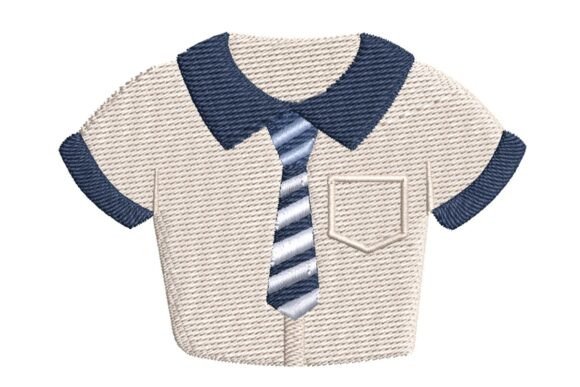
In an era where personal branding and professional presentation are paramount, understanding the strategic value of a standardized look can yield significant benefits. The image of a light-colored, short-sleeved shirt with a dark blue collar, paired with a blue and white striped tie and a small pocket, offers a perfect case study in functional design. This specific configuration balances professionalism with practicality, ensuring that the wearer appears sharp while maintaining the flexibility required for active engagement. Whether you are designing a corporate dress code, planning a brand identity, or simply seeking to optimize your daily routine, the principles embodied by the Boy s School Uniform Shirt and Tie provide a robust framework for success.
The Strategic Value of Standardized Attire
One of the most immediate advantages of adopting a uniform-based approach is the reduction of cognitive load. Every morning, individuals face dozens of micro-decisions regarding what to wear, how to accessorize, and whether an outfit aligns with their current objectives. By leveraging the logic behind the Boy s School Uniform Shirt and Tie, professionals can eliminate these distractions. When the choice of attire is pre-determined and optimized for the task at hand, mental energy is conserved for high-value activities such as problem-solving, creative thinking, and strategic planning.
This principle applies equally to educational institutions and corporate environments. A consistent visual identity fosters a sense of belonging and reduces social friction. In a school setting, the uniform ensures that socioeconomic disparities are less visible, allowing the focus to remain on academic achievement. Similarly, in business, a unified appearance can project stability and reliability to clients and stakeholders. The dark blue collar and the structured tie create a silhouette that suggests authority and competence without requiring loud or distracting elements. This subtlety is crucial for building trust over the long term.
Design Elements That Drive Functionality
Consider the specific features of the classic uniform: the light-colored fabric, the contrasting dark blue collar, the blue and white striped tie, and the small pocket. Each element serves a deliberate purpose that enhances performance and utility.
- Light-Colored Fabric: Reflects heat and maintains visibility, making it ideal for active days or warm climates. From a psychological standpoint, lighter colors often convey openness and clarity, which supports transparent communication.
- Dark Blue Collar: Provides a strong frame for the face, drawing attention to facial expressions and eye contact. Dark blue is also associated with intelligence, trust, and calmness, reinforcing the wearer's demeanor.
- Blue and White Striped Tie: Adds a layer of formality and tradition. The stripes introduce a subtle pattern that breaks up the monotony of solid colors, suggesting creativity within a structured environment.
- Small Pocket: A critical feature for productivity. It allows for the immediate storage of essential tools like pens, ID cards, or small notes, reducing the need for bags and keeping hands free for interaction.
When analyzing these components, it becomes clear that the Boy s School Uniform Shirt and Tie is engineered for efficiency. It removes unnecessary clutter while providing the necessary structure to present a polished image. This balance is exactly what successful entrepreneurs and leaders strive for in their own operations: removing friction to accelerate progress.
Aligning Visual Identity with Organizational Goals
For marketers, brand managers, and business owners, the uniform offers a blueprint for cohesive branding. Just as a student wears the shirt and tie to represent their institution, a company's staff should embody its core values through their appearance. The goal is to ensure that every customer touchpoint reinforces the desired brand message. If your organization prioritizes precision, reliability, and tradition, the aesthetic of a tailored shirt and tie aligns perfectly with those attributes.
However, implementing a uniform strategy requires careful planning. It is not enough to simply mandate a specific look; the implementation must support the broader mission. For instance, if a tech startup adopts a rigid uniform policy that feels out of touch with their innovative culture, it may stifle creativity rather than enhance it. The key lies in adapting the principles of the Boy s School Uniform Shirt and Tie to fit the specific context. This might mean choosing fabrics that offer stretch and comfort for active workspaces or selecting colors that reflect the brand's palette while maintaining a professional edge.
Decision-makers must ask themselves: What story does our appearance tell? Does it communicate the level of service we intend to deliver? By treating attire as a strategic asset, organizations can influence customer perceptions before a single word is spoken. A well-dressed team signals that they take their responsibilities seriously and that they are prepared to handle complex tasks with care.
Risks of Misapplication and Contextual Blind Spots
While the benefits of a uniformed approach are substantial, relying on it without clear goals can lead to unintended consequences. The primary risk is the perception of rigidity. If the Boy s School Uniform Shirt and Tie style is applied too strictly in an environment that demands adaptability and individual expression, it can create a disconnect between the organization and its people. Employees may feel constrained, leading to reduced morale and a lack of engagement.
Furthermore, there is the danger of superficiality. Wearing a tie and a collared shirt does not automatically confer competence or integrity. If the underlying systems, processes, and leadership do not support the visual image, the result is a hollow facade. Customers and colleagues will quickly detect the dissonance between the polished exterior and the chaotic reality inside. Therefore, the uniform must be part of a holistic strategy that includes training, clear expectations, and a supportive culture.
Another consideration is the evolving nature of workplace norms. As remote work and casual Friday policies become more prevalent, a strict adherence to traditional uniforms may seem outdated to certain demographics. Leaders must weigh the desire for order against the need for flexibility. The solution often lies in hybrid models that retain the core elements of the uniform—such as the shirt and tie—while allowing for variations in fabric, fit, or accessories based on the specific role or day.
Practical Implementation for Long-Term Results
To successfully integrate the principles of the Boy s School Uniform Shirt and Tie into your professional life or business operations, start with a clear definition of your objectives. Are you aiming to reduce morning decision fatigue? Are you trying to build a stronger team identity? Or perhaps you are looking to elevate your client-facing presence? Once the goal is defined, select the appropriate elements that support it.
- Conduct a Needs Assessment: Analyze the daily activities of your team or yourself. Identify the physical and psychological requirements of the work. Does the job require frequent movement? Then prioritize comfort and durability. Is it a high-stakes meeting environment? Then emphasize structure and formality.
- Define the Standards: Create a guide that outlines acceptable variations. Specify the colors, materials, and styles that align with your brand or personal brand. Ensure that the guidelines are flexible enough to accommodate different body types and preferences while maintaining a cohesive look.
- Invest in Quality: The difference between a cheap uniform and a high-quality one is often the difference between looking sloppy and looking authoritative. Choose fabrics that breathe, resist wrinkles, and maintain their shape. The small pocket, for example, should be reinforced to hold items without sagging.
- Train and Communicate: Explain the "why" behind the uniform policy. Help employees understand how their appearance contributes to the overall success of the organization. When people buy into the vision, they are more likely to adhere to the standards with pride.
- Review and Adapt: Regularly solicit feedback on the uniform policy. Is it working as intended? Are there areas for improvement? Be willing to make adjustments based on real-world experience and changing circumstances.
By following these steps, you transform the Boy s School Uniform Shirt and Tie from a static piece of clothing into a dynamic tool for achieving better results. It becomes a symbol of your commitment to excellence and your willingness to invest in the details that matter.
Cultivating a Culture of Intentionality
Ultimately, the true power of the uniform lies in the intentionality behind its use. It is a reminder that every detail counts, from the color of the collar to the placement of the pocket. In a world filled with noise and distraction, taking the time to curate a professional appearance demonstrates respect for oneself and others. It sets the stage for focused work, meaningful interactions, and sustained growth.
Whether you are an educator instilling discipline in young minds, a business owner building a reputable brand, or an individual striving for personal mastery, the lessons embedded in the Boy s School Uniform Shirt and Tie are universally applicable. They teach us that structure does not stifle creativity; rather, it provides the foundation upon which creativity can flourish. By embracing these principles, you position yourself to navigate challenges with confidence and achieve your goals with greater clarity and impact.
As you move forward, consider how you can apply these insights to your own context. Look for opportunities to streamline your decisions, strengthen your brand identity, and project an image of competence. The journey toward better results begins with the choices you make today, including the way you choose to present yourself to the world.