Talk Nerdy to Me Glasses Applique: A Practical Guide to Smart, Sexy Embroidery
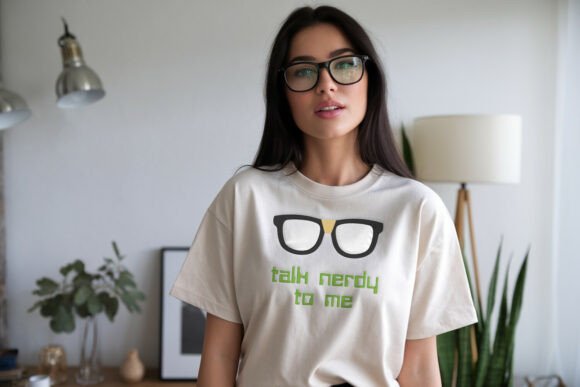
The phrase "smart is the new sexy" has evolved from a catchy slogan into a genuine cultural sentiment, particularly within creative communities. Nowhere is this more evident than in the realm of machine embroidery, where intellectual humor meets technical precision. The Talk Nerdy to Me Glasses Applique design captures this spirit perfectly. It features the iconic phrase paired with a pair of spectacles, often rendered with a unique applique technique that elevates the visual appeal beyond standard stitching.
This design is not merely a graphic; it is a statement piece intended for apparel, accessories, and home decor. Whether you are looking to add a touch of geek chic to a hoodie or create a personalized gift for a tech enthusiast, understanding the specific capabilities of this applique design is crucial. This guide explores what makes this embroidery file distinct, how it compares to other methods, and the practical considerations for executing this project successfully.
Understanding the Design and Its Unique Features
At its core, the Talk Nerdy to Me Glasses Applique design transforms a simple text-based motif into a textured, multi-layered artwork. The standout feature is the inclusion of glasses fixed with tape, a detail that adds a layer of narrative and character to the piece. Unlike standard digitized text where every element is stitched thread, this design utilizes an applique approach for the lenses.
The applique method involves cutting shapes from fabric or vinyl and stitching them onto a base material. In this specific design, the lenses can be created using clear vinyl. This choice offers a distinct aesthetic advantage: the transparency of the vinyl mimics real glass while catching light differently than thread. When combined with the "tape" effect, which is usually stitched in a contrasting color, the design achieves a 3D quality that flat embroidery cannot replicate.
This hybrid approach—combining traditional satin stitches for the text with applique elements for the glasses—requires a slightly different workflow than standard embroidery. However, the result is a design that stands out in a sea of generic slogans. The inclusion of multiple formats ensures that the design is accessible regardless of the brand of embroidery machine used, making it a versatile tool for both hobbyists and professionals.
Comparing Applique to Standard Embroidery Techniques
When evaluating the Talk Nerdy to Me Glasses Applique against standard embroidery options, the primary difference lies in texture and durability. Standard embroidery relies entirely on thread density to create images. While high-quality thread can produce stunning results, it can sometimes look flat or lack the dimensional pop that applique provides.
- Visual Depth: Applique allows for the use of materials like felt, denim, or clear vinyl, creating physical layers that cast subtle shadows. Standard embroidery sits flush with the fabric.
- Material Versatility: With the clear vinyl option for the lenses, you can achieve effects that are impossible with thread alone, such as translucency or metallic finishes if using specialty vinyls.
- Durability: Applique pieces are often more resistant to wear and tear than dense areas of stitching, which can sometimes lead to fabric puckering or needle breakage over time.
However, this comparison is not one-sided. Standard embroidery is generally faster to execute and requires fewer setup steps. If you are producing a large batch of items quickly, the speed of a direct stitch might outweigh the aesthetic benefits of applique. Furthermore, standard embroidery works well on fabrics that cannot support the weight or stiffness of an applique backing.
Evaluating File Formats and Compatibility
A critical factor in choosing any digital embroidery design is compatibility with your hardware. The Talk Nerdy to Me Glasses Applique package addresses this by including eight different file formats: DST, EXP, HUS, JEF, PEC, PES, VP3, and XXX. This extensive list covers the vast majority of modern embroidery machines from major manufacturers like Brother, Janome, Husqvarna Viking, Pfaff, and Bernina.
For users comparing this product to others, the inclusion of these specific formats is a significant advantage. Many budget-friendly designs only offer the most common format (usually PES or DST), forcing users to purchase expensive conversion software or rely on third-party services to adapt the file. By providing a comprehensive zip file, this design eliminates the friction of format incompatibility.
The design also comes in five distinct sizes: 95 mm, 120 mm, 145 mm, 170 mm, and 195 mm. This scalability is essential for decision-making regarding the final application. A 95 mm size might be perfect for a chest pocket on a polo shirt, while the 195 mm version could serve as a bold graphic on the back of a tote bag or the front of a sweatshirt. When evaluating alternatives, check if the competitor offers similar sizing options, as resizing an applique design after digitization can distort the proportions of the lenses and the tape effect.
Tools, Requirements, and Workflow Considerations
It is imperative to understand that this is a machine embroidery design, not a PDF pattern for hand stitching. The complexity of the digitization, particularly the switch between stitch types required for the applique and the text, demands the precision of an embroidery machine. Attempting to replicate this by hand would likely result in a loss of the crisp lines and the specific tension needed for the vinyl lenses to lay flat.
To execute this design effectively, several tools and preparation steps are necessary:
- Embroidery Machine: You must own a machine capable of reading the provided file formats and handling applique sequences. Most modern computerized machines will handle this seamlessly.
- Transfer Method: You need a reliable way to transfer the design files from your computer to the machine. This typically involves a USB drive, a direct cable connection, or a wireless transfer module depending on your machine's capabilities.
- Applique Materials: For the lenses, you will need clear vinyl or a transparent fabric. For the rest of the design, you will need a base fabric and potentially a stabilizer to prevent distortion during the stitching process.
- Hooping Strategy: Applique designs often require careful hooping to ensure the cut-out pieces do not shift. Some users prefer a temporary adhesive spray to hold the vinyl in place before the first tack-down stitch.
When weighing the effort required against the outcome, consider the learning curve. If you are new to applique, this design might present a challenge compared to a simple monogram. However, for those willing to invest the time in setting up the materials correctly, the payoff is a professional-looking finish that rivals commercial products.
Decision Factors: When to Choose Applique Over Alternatives
Selecting the Talk Nerdy to Me Glasses Applique design depends heavily on the intended use case and the desired aesthetic. Here are scenarios where this specific design shines versus situations where a different approach might be better.
Best Fit Scenarios:
- Statement Pieces: If you are creating a garment meant to be a focal point, such as a custom jacket or a festival t-shirt, the added texture of the applique lenses draws immediate attention.
- Thematic Projects: For events related to science fiction, technology, or academic celebrations, the "nerdy" theme combined with the realistic look of glasses fits the context perfectly.
- High-End Customization: If you are selling handmade goods, the extra effort required for applique justifies a higher price point due to the perceived value and craftsmanship.
Alternative Approaches:
- Quick Production Runs: If you need to produce fifty identical shirts in a single day, the time required to cut and position vinyl lenses may slow down your workflow significantly. In this case, a fully embroidered version without applique might be more efficient.
- Delicate Fabrics: Clear vinyl adds weight and stiffness. On very lightweight or sheer fabrics, the applique might cause sagging or tearing. A lighter, all-thread design would be safer here.
- Budget Constraints: Purchasing clear vinyl and additional stabilizers increases the cost per unit. If margin is tight, sticking to thread-only designs reduces material costs.
Final Thoughts on the Design's Value
The Talk Nerdy to Me Glasses Applique design represents a thoughtful intersection of pop culture and technical skill. It appeals to a demographic that values intelligence and style, offering a tangible way to express that identity through clothing. The inclusion of multiple file formats and sizes demonstrates a commitment to usability, ensuring that the design can be adapted to various projects without technical hurdles.
While it requires more preparation than a standard stitch, the tradeoff is a superior visual result. The ability to incorporate clear vinyl for the lenses creates a unique look that distinguishes the wearer's item from mass-produced merchandise. For anyone looking to explore the boundaries of machine embroidery and embrace the idea that "smart is the new sexy," this design offers a robust and rewarding starting point. Whether used for personal expression or small business ventures, the versatility and detailed execution make it a standout choice in the world of digital embroidery.